
Summer is Coming!
Are you prepared for OSHA’s new Heat Illness Prevention Emphasis Program?
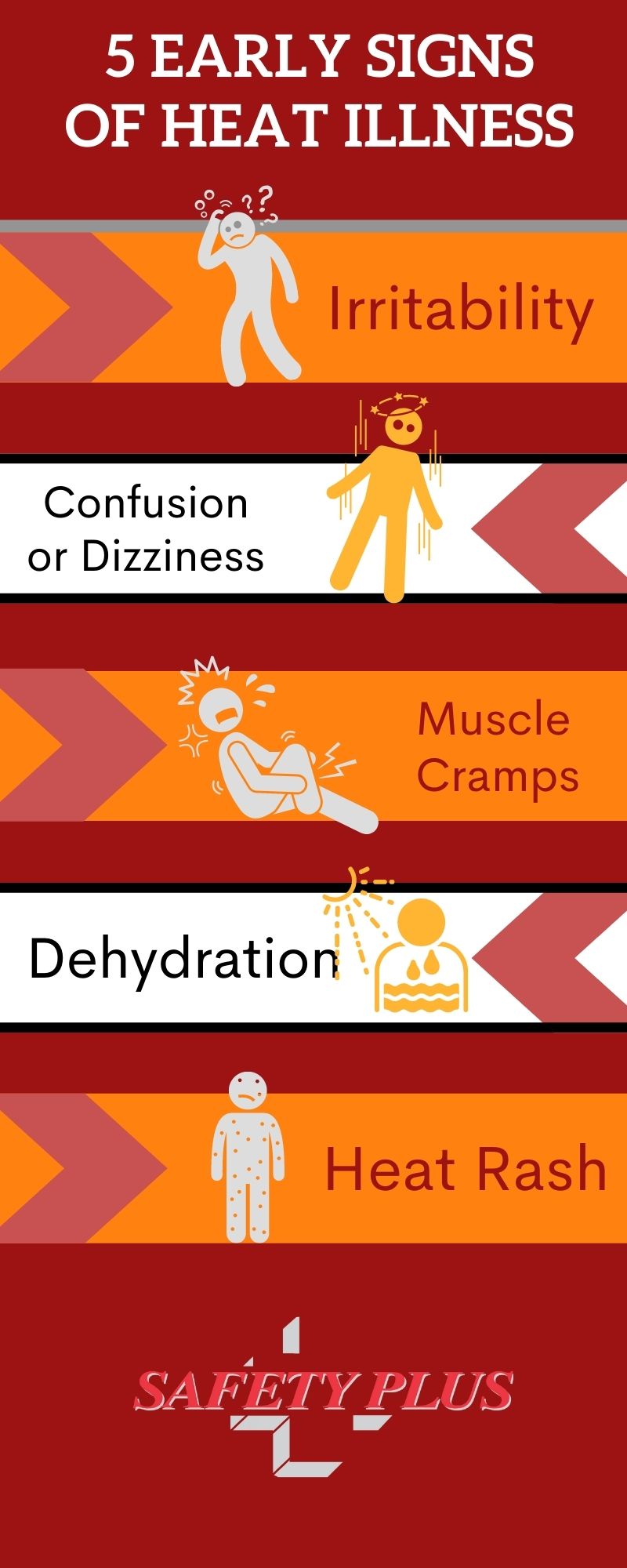 On April 12, 2022, OHSA announced a new heat-related injury and illness enforcement initiative targeting indoor and outdoor heat-related workplace hazards. “For the first time, the U.S. Department of Labor’s Occupational Safety and Health Administration has launched a National Emphasis Program to protect millions of workers from heat illness and injuries. Through the program, OSHA will conduct heat-related workplace inspections before workers suffer completely preventable injuries, illnesses or, even worse, fatalities.”
The new initiative is a proactive measure to inspect over 70 high-risk industries in indoor and outdoor work settings when the National Weather Service has issued a heat warning advisory for a local area. According to the OSHA website, “on days when the heat index is 80 F or higher, OSHA inspectors and compliance assistance specialists will engage in proactive outreach and technical assistance to help stakeholders keep workers safe on the job. Inspectors will look for and address heat hazards during inspections, regardless of whether the industry is targeted in the NEP.”
Most outdoor fatalities occur in the first few days of working in a warm or hot environment. It takes time for the body to build a tolerance for working in hotter environments. Under OSHA law, it is the employer’s responsibility to provide a workplace free of known safety hazards, including extreme heat. Employers should have a heat illness prevention program whenever workers are exposed to extreme heat environments. Prevention measures may include:
- Providing workers with water, rest, and shade
- Allowing new or returning workers to gradually increase workloads and take more frequent breaks as they acclimatize or build a tolerance for working in the heat
- Planning for emergencies and training workers in prevention
- Monitoring workers for signs of illness
Safety Plus, Inc. has been in contact with the Mobile Area OSHA Director for guidance on this new initiative. The Safety Plus team has been working diligently to ensure heat-related illness and injury policies are updated accordingly for our clients. As we are transitioning into warmer weather, it’s recommended that all employers ensure toolbox talks and safety meeting topics are focused on heat safety. Additionally, every worker on the job site should be familiar with the heat safety policy and procedures. For more information, to request a review of your heat-related illness and injury policy, or to have Safety Plus develop a safety policy for your organization, contact us today!
Recommended Reading

Insurance Reviews Are Not Inspections
Most owners think about audit-readiness as one thing. Pass the OSHA inspection, stay current on prequal requirements, keep the insurance renewal from getting complicated. One program, built to satisfy whoever happens to be asking. That framing is really the problem. An OSHA inspection, an insurance review, and a GC prequal evaluation are three separate assessments…

Why Binders Fail Under Pressure
Picture the owner of a 60-person specialty contractor the morning an OSHA inspector shows up unannounced. He knows the safety program is in decent shape. The policies are written. Inspections have been happening. Training got done before the last big project kicked off. He walks to the filing cabinet, pulls out the binder, and hands…

Luck Is Not a Safety Record
Most owners know whether their safety record is good. Fewer of them know whether their safety program is good. Those are different things — and confusing one for the other is one of the more expensive mistakes in safety management. The Company With No Incidents and No Program This company exists. You may know one.…

How Safety Failures Cascade
Safety failures rarely arrive alone. That’s the part most owners miss — not because they haven’t thought about safety, but because the sequence isn’t visible until after something goes wrong. A near-miss doesn’t get reported. The hazard stays open. The hazard eventually produces an incident. The incident produces an OSHA visit with citations and fines.…
SAFETY MANAGEMENT SIMPLIFIED
Prevent Tragedy and Scale Effectively by Making Safe Work Efficient